Home/About
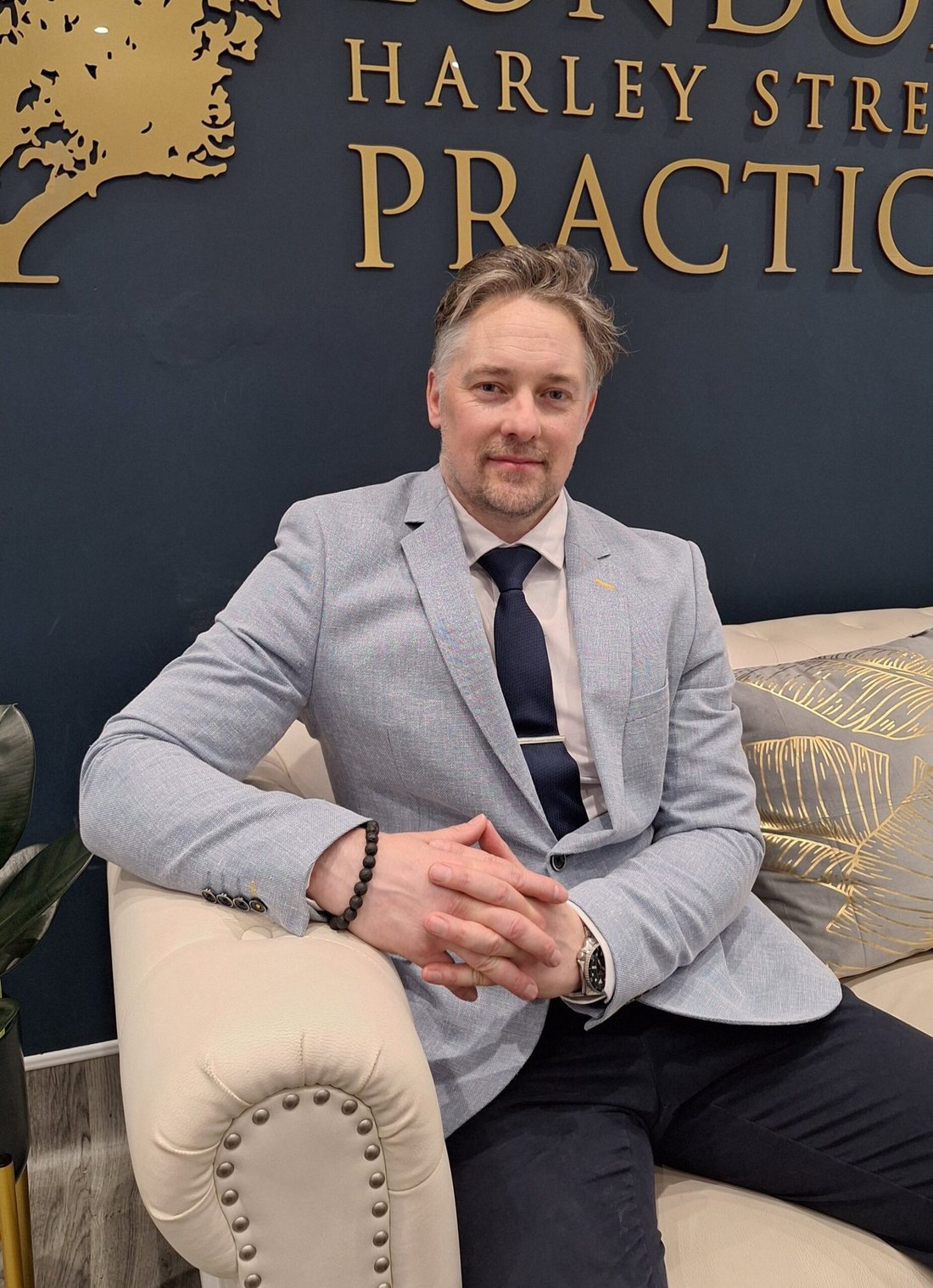
The person behind the practiceOccupational consultant, Doctor of Chiropractic, and founder of a practice built to make hidden workforce risk visible before it reaches the P&L.
I spent years on Harley Street working with people under real occupational pressure — senior professionals whose work was quietly wearing them down long before anyone called it a problem. I kept seeing the same thing from the other side of the desk: strain that was obvious up close, yet completely invisible on any report a board would ever read.
As a Doctor of Chiropractic, my work was understanding how work demands, stress, pain and fatigue accumulate in people — and how much performance is lost well before it shows up as absence. Over time, a pattern became impossible to ignore. The cost was enormous, it was building constantly, and organisations had almost no way to see it.
By the time workforce strain becomes visible — as absence, turnover or a grievance — the risk has usually been building quietly for months, unmeasured and unmanaged. That gap, between when risk starts and when anyone can see it, is where the cost lives.
HOLMES Occupational Performance exists to close that gap. It takes what I learned reading occupational pressure in individuals and turns it into structured, governance-ready workforce risk intelligence — clear risk, financial-exposure and ESG-ready evidence a leadership team can actually use.
It is deliberately non-clinical. This is decision support and assurance for the board, not a wellbeing service or a clinical intervention.
Governance-led and non-clinical. The insight sits alongside your own HR, occupational health and trusted partners — it doesn't replace them.
Measurable risk and financial exposure, not sentiment scores or a compliance tick-box.
Every conversation is confidential and framed for the people accountable for productivity, resilience and margin.
Through HOLMES, I help CEOs, CFOs, HR directors, boards and risk leaders — particularly in banking, law and fintech — see where hidden workforce risk sits, what it is costing, and where to act first. The method is a structured, repeatable audit built around three steps: measure the risk, locate where it concentrates, and act earlier than lagging indicators would ever allow.
A large part of that hidden cost is presenteeism — the productivity lost when people are present but not performing at full capacity. It rarely appears on a traditional workforce report, yet independent UK research puts the hidden cost of employee sickness to UK employers at around £100bn a year, much of it presenteeism rather than absence.
If any of this is familiar from where you sit, I'd welcome a conversation. It is confidential, board to board, and there is no wellbeing sales pitch attached.